
2026-09-16 ·
What to Do After a Sewer Backup in Your Midland Home
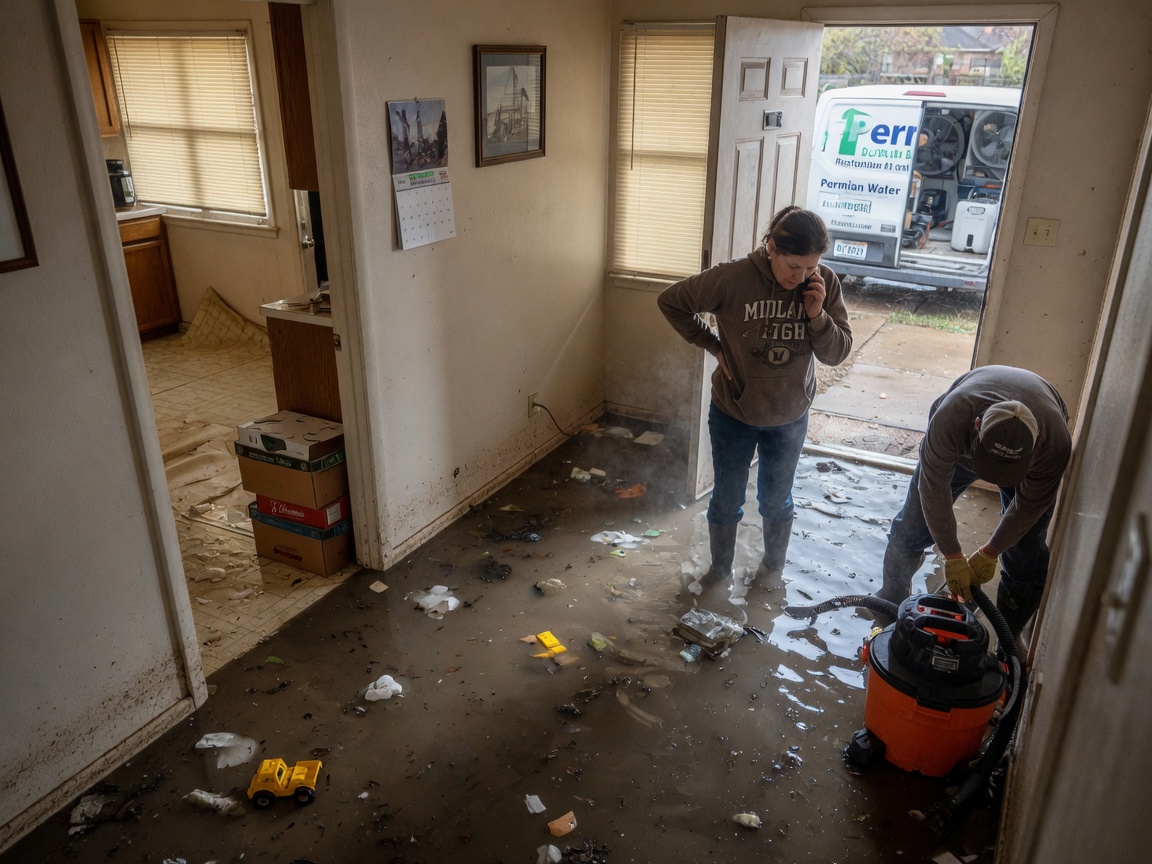
After a sewer backup in your Midland home, evacuate contaminated zones immediately, shut off power to affected areas if safe, and call for professional sewage extraction within hours to prevent deeper structural issues. Midland's humid continental climate brings cold winters that often freeze pipes in older homes built before 1970 in neighborhoods like Downtown Midland and Plymouth Park, leading to backups that spread quickly through basements common in Eastlawn properties. Warm summers add humidity that accelerates bacterial growth if water sits longer than 24 hours.
Immediate Safety Measures
Sewer water carries bacteria and pathogens that pose health risks, especially in Midland homes where basements connect directly to living spaces. Turn off electricity at the main panel before entering any flooded room, and avoid using household fans that could spread contaminants. Wear protective gear including rubber boots and gloves if you must move items, but limit exposure. In cold winter months, frozen ground around foundations in Plymouth Park can direct backup flow into lower levels faster than in warmer seasons. Contact 24 Hours Emergency Help right away rather than attempting DIY containment that often fails against the volume typical in these events. Nearby cities like Bay City and Saginaw share similar aging infrastructure that contributes to regional backup frequency during heavy spring thaws.
Document Everything for Insurance
Photograph standing water, affected belongings, and any visible pipe damage from multiple angles before cleanup begins. Note the date, time, and weather conditions, since Midland's winter freezes frequently trigger claims. Keep a written list of items moved or discarded, including purchase dates where possible. Insurance adjusters in the area often visit homes in Eastlawn within days, so detailed records speed approval. Avoid cleaning or discarding items until documentation is complete, as this step directly affects coverage for structural drying and material replacement.
Professional Extraction and Drying
[Professional teams follow a sequenced process starting with pump removal of standing sewage, followed by antimicrobial treatment of surfaces.](/services/sewage-backup-cleanup) In Midland's older housing stock, porous materials like subflooring in Downtown Midland homes require targeted moisture readings to confirm drying below 15 percent. Equipment such as air movers and dehumidifiers runs for 3 to 5 days depending on season, with winter jobs taking longer due to lower outdoor temperatures slowing evaporation. Properties near the Tridge or Dow Gardens often sit on clay-heavy soils that retain moisture longer, extending drying times compared to sandier lots elsewhere in the county.
Addressing Secondary Mold Risks
Even after water removal, residual moisture in wall cavities can trigger mold within 48 hours under Midland's summer humidity. Inspect hidden areas behind baseboards and under cabinets where backups commonly wick upward. Homes in Plymouth Park built on slabs without proper vapor barriers face higher risks when sewage reaches concrete. Monitor for musty odors or discoloration over the following weeks, and address any new growth promptly before it spreads to HVAC systems common in Eastlawn residences.
Long-Term Prevention Steps
Schedule annual sewer line camera inspections, especially for homes near Chippewa Nature Center where tree roots frequently invade older lines. Install backflow valves during any basement remodel to counter pressure surges after heavy rains. In winter, maintain indoor temperatures above 55 degrees in unused areas to reduce frozen pipe incidents that lead to backups, a pattern seen across Midland County and nearby Mount Pleasant. Review sump pump function regularly, as failures often compound sewer issues during spring melts. Related guidance on sump pump problems appears in this article.